
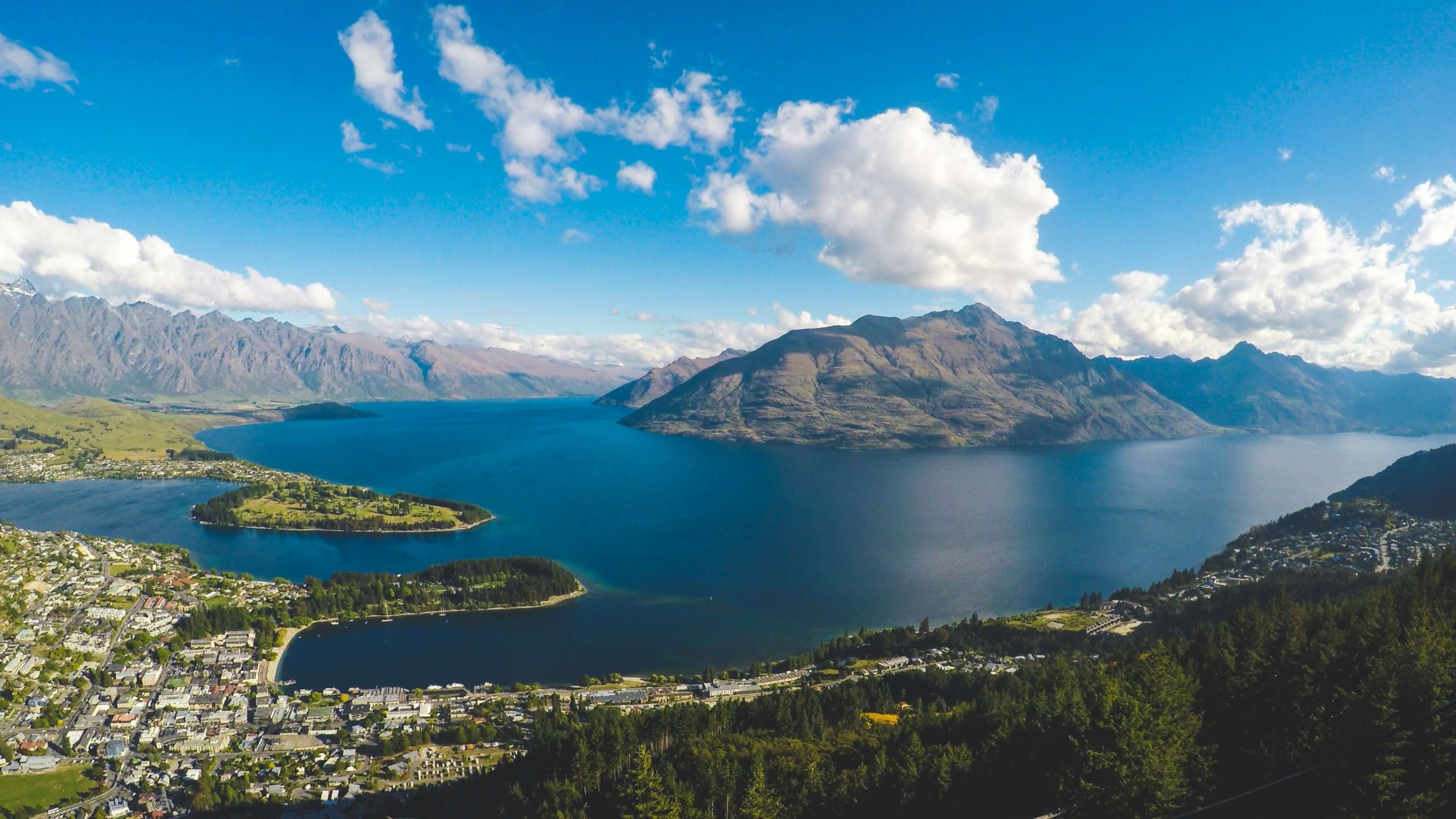
Graham is originally from Queenstown where he grew up sailing on alpine lakes from the age of 6. He even helped building his own Optimist and progressed to other dinghy sailing thereafter. In any case, apart from a few boat deliveries between the NZ islands and a small bit of crewed coastal cruising, that is all of his practical experience.

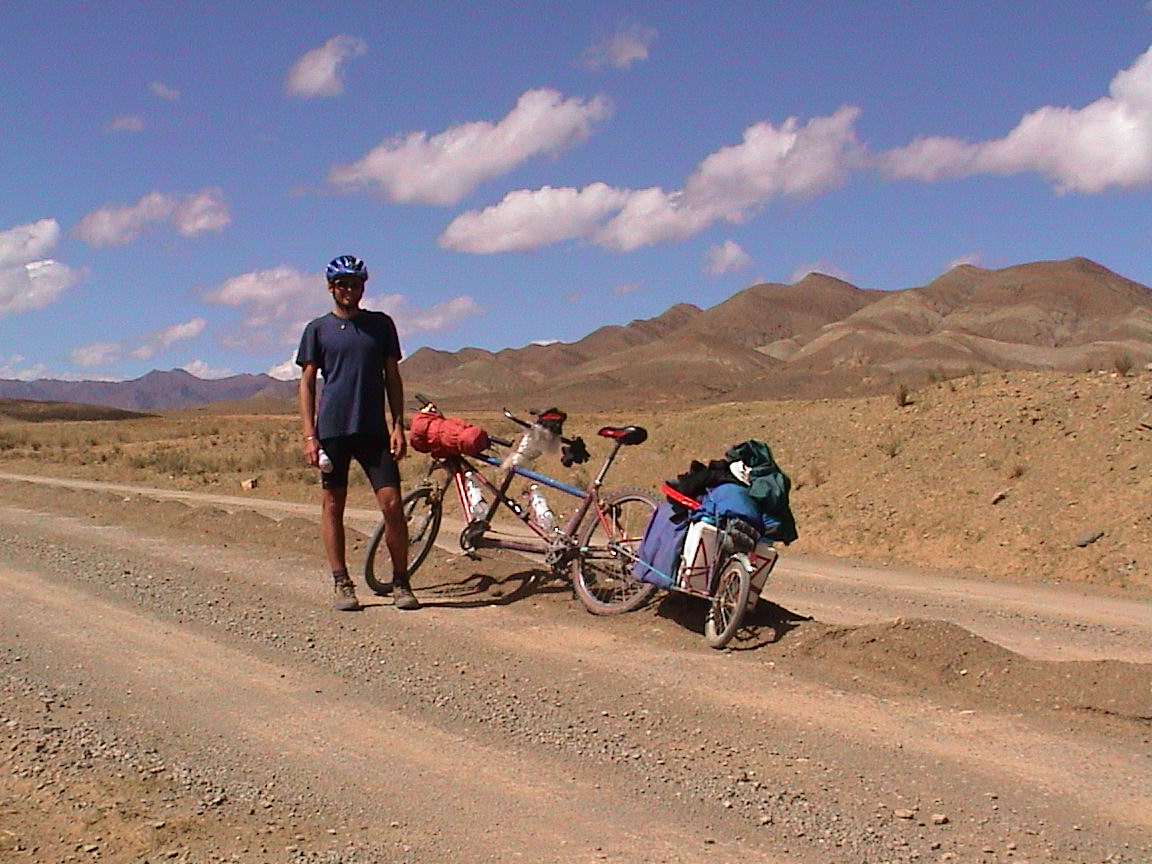
Graham switched to cycling and took on awe inspiring adventures. Back in the day, he bicycled from Singapore to India via the Himalaya, and along with his then girlfriend the couple became the first tandem bike to reach the Tibetan Mount Everest basecamp in 2001.

His childhood dreams of the Whitbread Race suddenly became more and more pressing.
Imagine the mindset needed to pull off such adventures, a great set of skills and strong character emerge, which Graham would need later. And for some reason he figured that sailing could be like cycle touring the seas. His childhood dreams of the Whitbread Race suddenly became more and more pressing. A longing he could not ignore anymore. A longing for owning a boat to start enjoying big expansive environments where the insignificance of man in hostile environments makes for a cocktail of intrigue, resourcefulness, self reliance and adventure became as conspicuous as ever.
Why his buying decision for the Garcia in the first place?
“Upon doing my research Garcia Yachts appealed to me from the outset. When it comes to expedition type yachts, there are only a handful designed expressly for that purpose.” Graham checked out other brands and of course the secondhand market. He says that the best access to online research material had been provided by Garcia at that time.
“Let us not forget: It was the Covid era, so we could not travel, or at least re enter our own country back then. I figured that Garcia were ahead of their competitors around 2021.”

Graham finally ordered his Exploration 52 remotely: “I had never visited the shipyard. And I had only sailed on a Garcia once—on delivery day, about four years after my interest in sailing was rekindled.” Looking back, he admits that it was a really crazy time. “But you have to be able to adapt, right?”
Our Garcia Exploration appealed to Graham because we were able to fit her to his need.
“The level of semi custom options available is staggering, he says. As is the ruggedness of the design, and the specific self contained ability to head to isolated area in both safety and comfort.”
Graham is a structural Engineer by training, and so the build process and the why of certain build considerations were compelling reasons. “I wanted to go sailing, not refurbish an old boat that required a retrofit.” A used aluminum yacht was quickly ruled out.
“Compared with the other aluminum brands, I preferred the deck layout of the Garcia, especially the raised saloon.”
We did not know much of him when he placed his boat order back in the day and had never thought that he indeed was a rookie to offshore sailing.
Diving into the Heart of Exploration Sailing
Asked about this “crash dive” into exploration style sailing, Graham raises his shoulders. He has a very practical approach to sailing, a profession he had not practiced in many years.
“I consider only three things that can happen. One, you make errors and it is okay to do so. Two, you may experience shame or embarrassment due to those errors, but you learn and evolve. And three, the last, is that it costs you money.” He laughs.
What should he do: He had never ever soloed a boat, let alone sailed overnight or crossed any oceans. “But what I was sure of was that I can learn. And that I learn fast”, he says with determination.

A Crash Course of Offshore Sailing Preparation
Looking at the route Graham and his newly built IMPALER took right after she was delivered is simply mind boggling. It is even more so if you consider that most of it had been done by Graham single handedly. Of course, in his world, this is not so much worth mentioning, as sailing alone was born out of sheer necessity: “I just had to be in Norway in time to meet a couple of friends”, he says. And set sail right out of Cherbourg after arriving from NZ. He crossed the English Channel with a friend, then proceeded alone. He figured out how to run the boat completely alone within the following three months.
He figured out how to run the boat completely alone within the following three months.
His first trip after delivery? A tour of Scotland with his brother—a challenging area even for experienced skippers. “I honestly think the guys at the Garcia shipyard thought I was crazy,“ he says with a smile.“But I like to figure things out for myself. Sailing alone gives you immediate feedback. You learn much faster that way.” “ Little by little, IMPALER and Graham came into harmony. Any apprehension quickly disappeared.

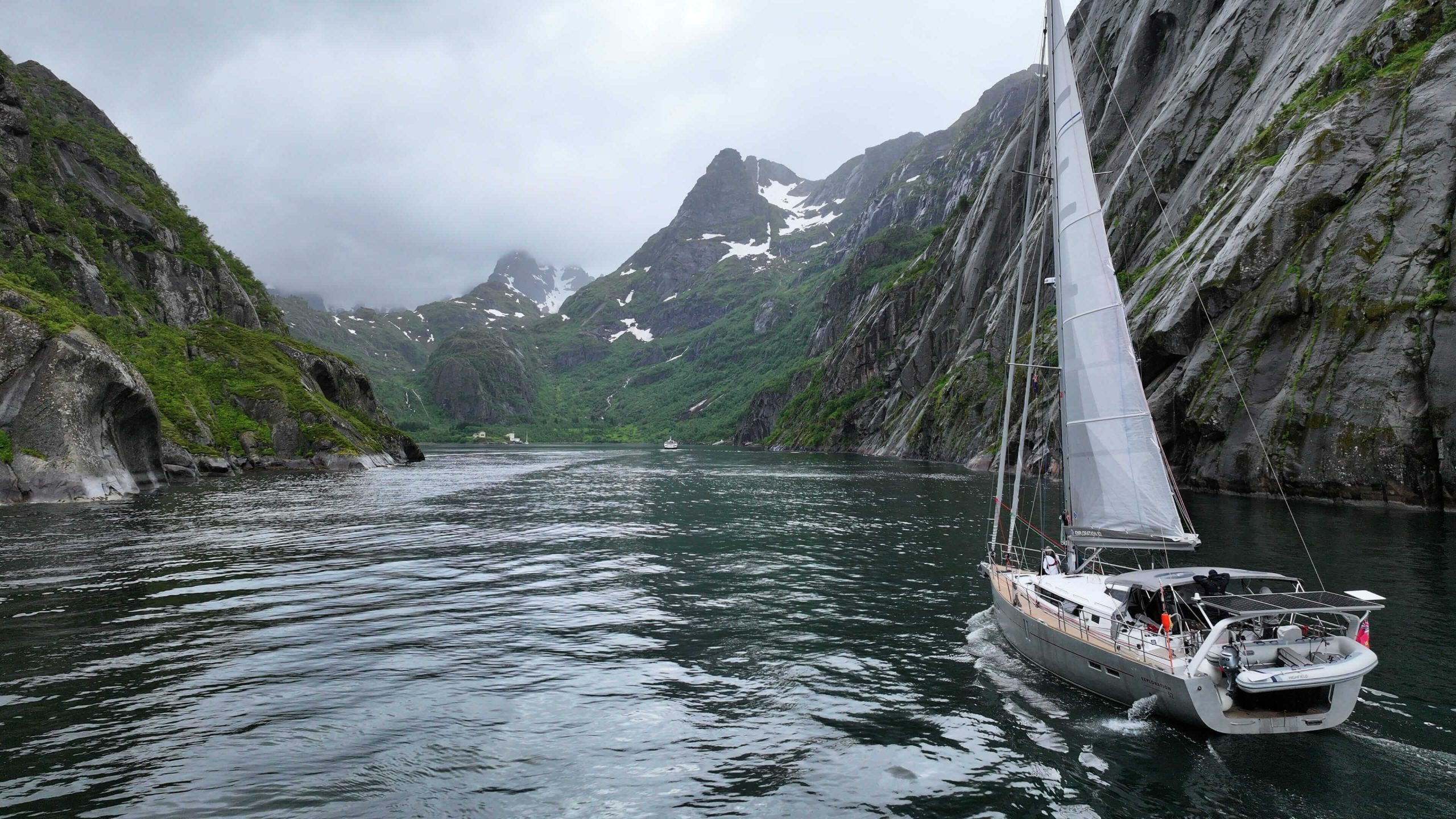
Dream maiden voyage: Into the High North with Faroe, Lofoten and beyond
Graham states that Norway had appealed to him, as it seemed relatively close. “And I really only had 5 to 6 months available for sailing. That said, apart from food and fuel, my preparations were minimal.”
“What is so exciting, compelling or even rewarding about sailing in these high latitudes?”
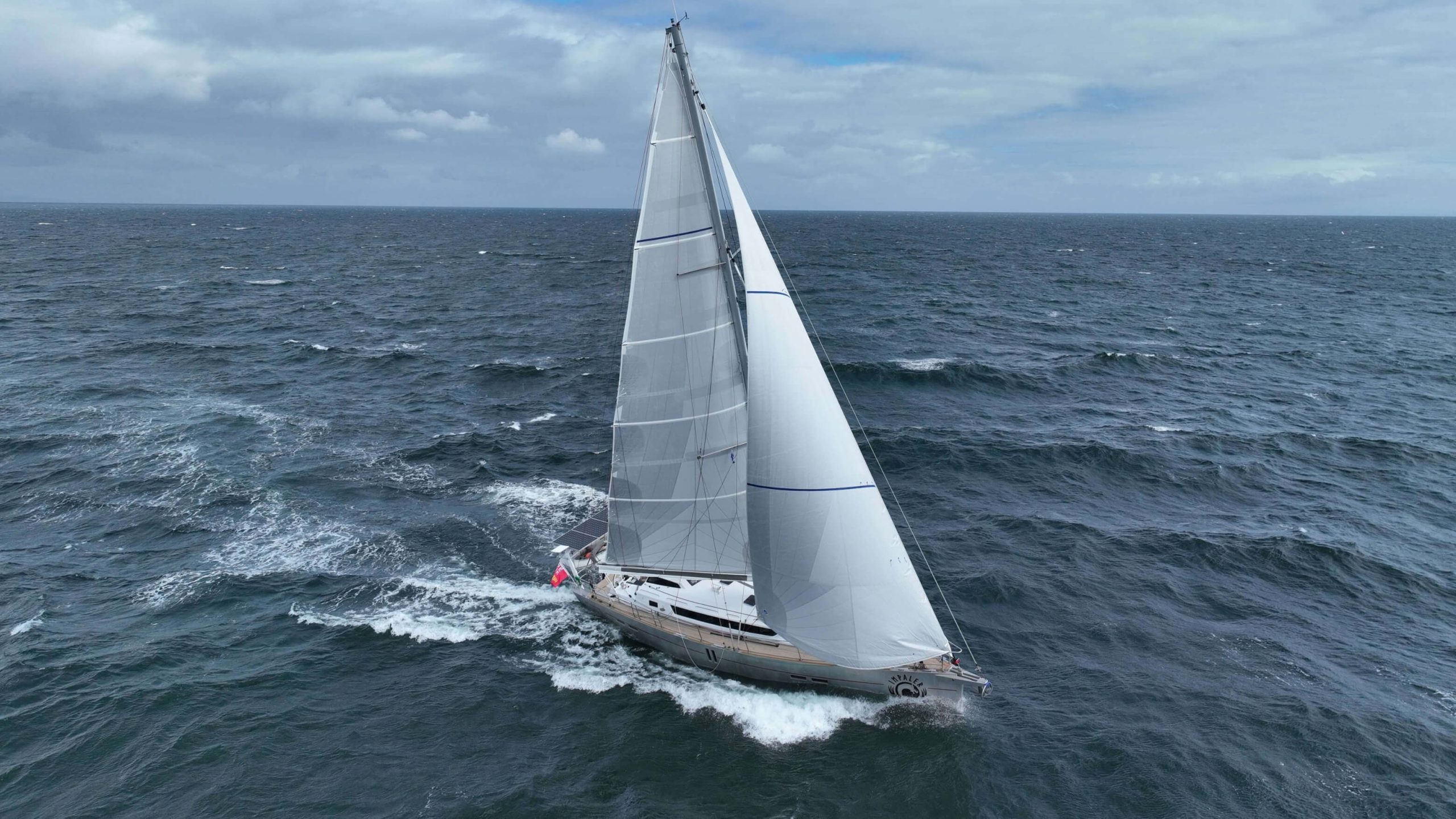
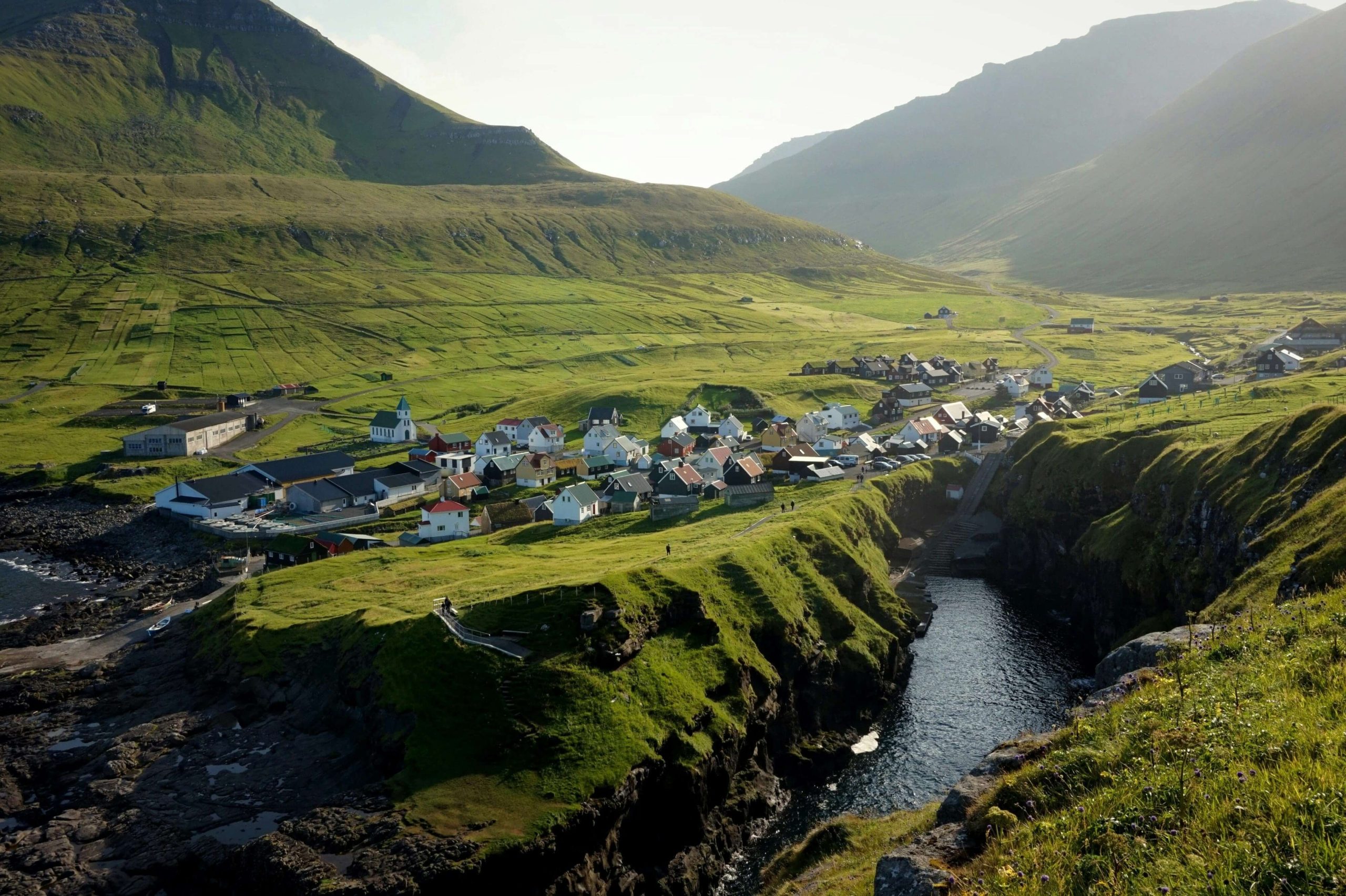
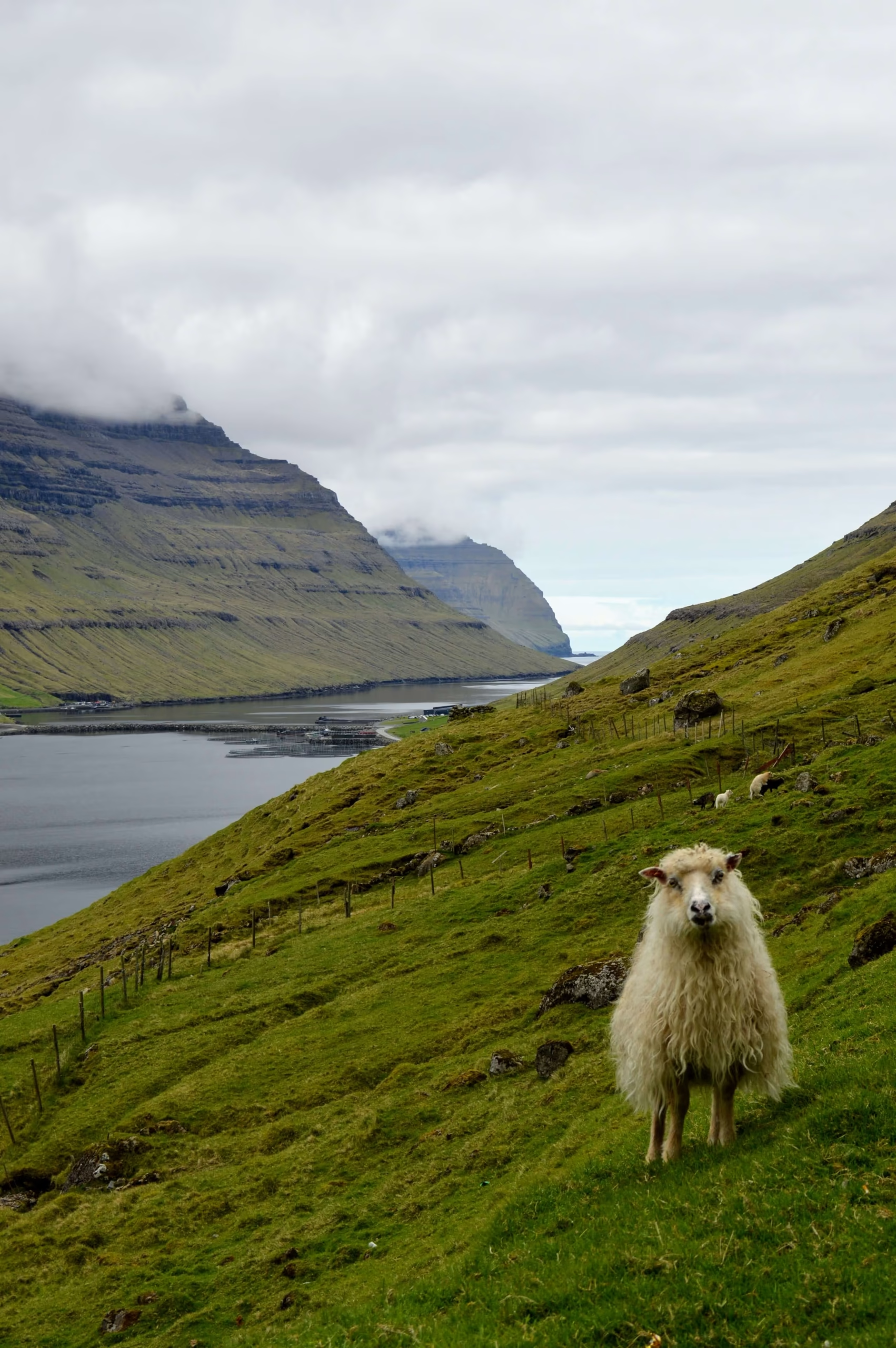
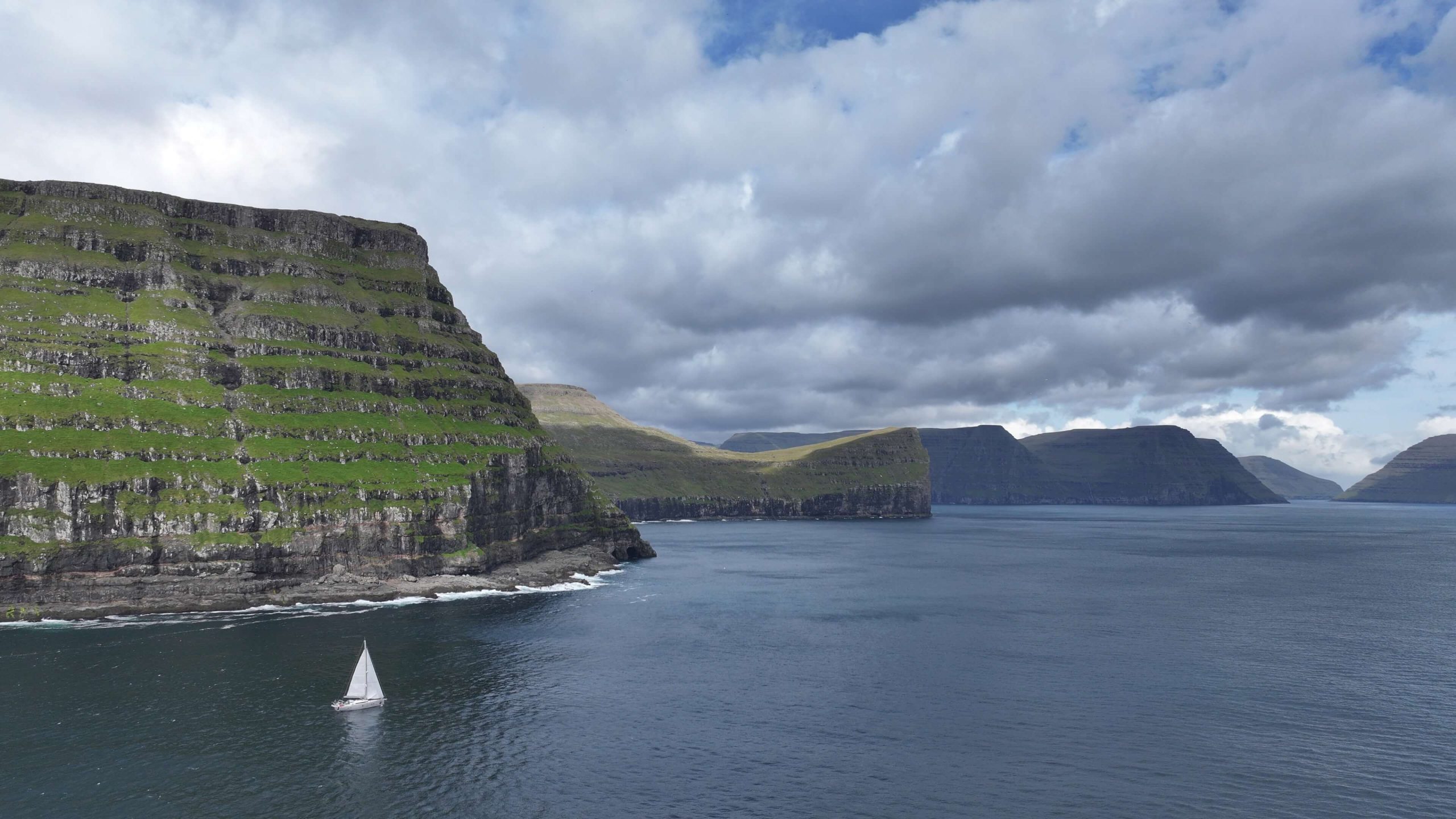
“I love isolation. The variability of the weather. Being off the beaten track. The Faroe Islands were a highlight with their austere landscapes. The tides were very demanding and it was often difficult to find suitable anchorages easily. “ However, the boat proved to be forgiving: “Even sailing close-hauled in over 40 knots, it was relatively comfortable.” He also praises the simplicity of the sail plan. Less difficult than expected.
“So even going upwind in more than 40 knots was fairly comfortable.”

However, it was not a walk in the park. The formidable tides around the Faroe Islands and Scotland proved tricky, and sometimes dangerous. “I had limited information about the Faroe Islands. At times, I had to contend with currents of over 7 knots against a coastal swell. There were stationary waves of 4 to 5 meters the capes. I had to stay focused, but this phenomenon disappears as soon as you move away from the coast.” He remembers sometimes moving faster sideways than forward.
Local stories of shipwrecks and helicopter rescues came to mind. “But what could I do? I checked my charts, my welder, and adjusted my definition of ‘safe waters.'” His journey had to continue .
“But you know what. The boat performed just fine, and I learned to implicitly trust her. I was even able to take my time outs even in heavy seas, and just be present with a big smile.”
This smile never really faded, as Graham learned to trust anchors and chains in 38 to 40 knots of wind or running under staysail alone before a plus 50 knots storm between Shetlands and Norway. Garcia weather, one shall call it rightly so.
.jpg)
Become an Accomplished Sailor, IMPALER Style
Graham says that he indeed did receive some strange looks turning up solo at different locations: In weather like this and a big boat like the Garcia Exploration 52. “But I think people do not really appreciate just how well the boat is set up for shorthanded sailing!”
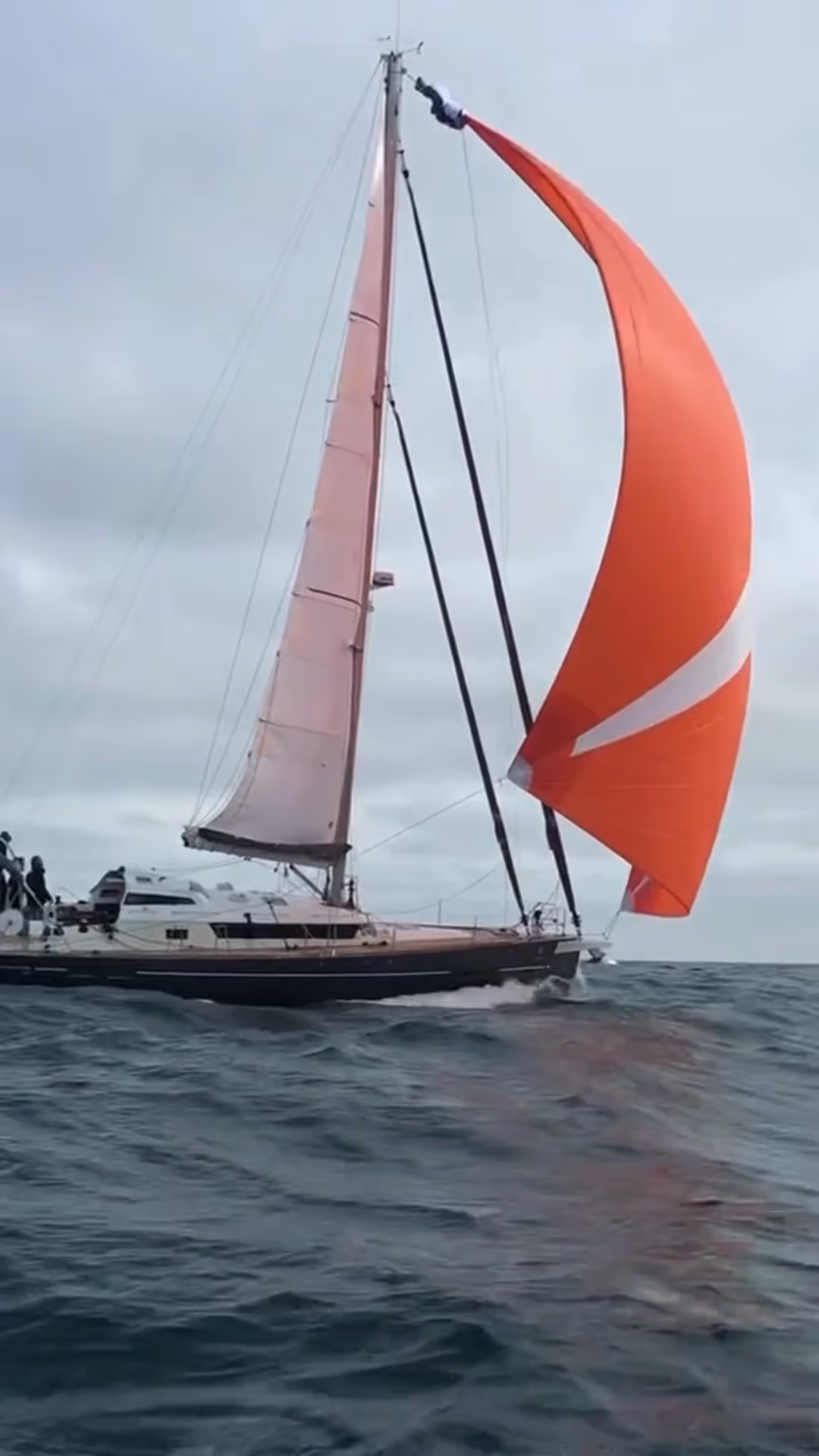
In terms of sailing performance, Graham focused on learning about the limits of the yacht sail plan. “For example, at what point would the rudders stall when overpowered. Or really testing the gennaker in relation to true wind, apparent and corresponding wind angles.” Graham believes that the feedback is immediate and best when you make errors, as it helps to refine the setup and optimize performance. “I realized that my Garcia is a cruising boat, but I still frequently find myself sailing her like a dinghy. I am laughing a lot when I realize that I am a few hundred miles offshore.” For Graham and for us as the shipyard as well, this is just a true testament to the stability of the boat and the ease of the sail plan. As simple as that: Graham is pushing the boat to be used for what it was designed for in the first place. And we just love it the way he does.
“But I think people do not really appreciate just how well the boat is set up for shorthanded sailing!”
Graham mentions something unique: the relationship between yourself, the environment, the boat, and the quest for adventure. “A silent trust develops between you and the boat. You are fully present. The distractions of life fade away, leaving room for the moment.”
“I had already experienced this on a bike. But being able to take your home with you, with a certain level of comfort, is a recipe for pure joy.”
This is how Graham and his IMPALER took on the waters of the Northern Atlantic Ocean and travelled to the most exciting, far away places most skippers only dream about. He was able to sharpen his senses, improve his handling of the boat and become a master of the yacht and his surroundings. “Having the likes of Starlink enabled me to diagnose the issues with a failed bow thruster, the ability for the yard to remotely log in and reconfigure Mastervolt settings after a DC converter failure help you rapidly learn the systems on your boat.” Thanks to the latest technology incorporated into the yacht, Graham could enjoy his strive to be self reliant, yet the comfort of not being alone when things break or malfunction.
Apart from the new reporting requirements for Norway, which was absolutely the worst for Graham, fatigue was one of his biggest learnings. “Being the skipper with people onboard who are not sailors, while managing the whole of sailing, navigating and planning anchorages created a cumulative exhaustion”, he resumes. “I will certainly cover some shorter distances in the future and plan many more rest days or activity days”. This is how you grow as a skipper.

And Why the Name IMPALER?
So in the end, let us talk about this extravagant, slightly aggressive name his beautiful boat had been christened to bear, why IMPALER. Graham laughs. “My partner was originally from Romania, so given the combination of the rugged bowsprit with the uncompromising conviction of Vlad the Impaler, it was an internal joke between us. A joke that somehow now found its way onto the bow…”
We wish Graham, his onboard guests and IMPALER fair winds and following seas in all their upcoming adventures.
If you would like to begin yours, contact us to arrange a visit to Cherbourg.